

Types of Dentures
Not all dentures are the same. Understanding the different types can help you have better conversations with your prosthetist and know what to expect.
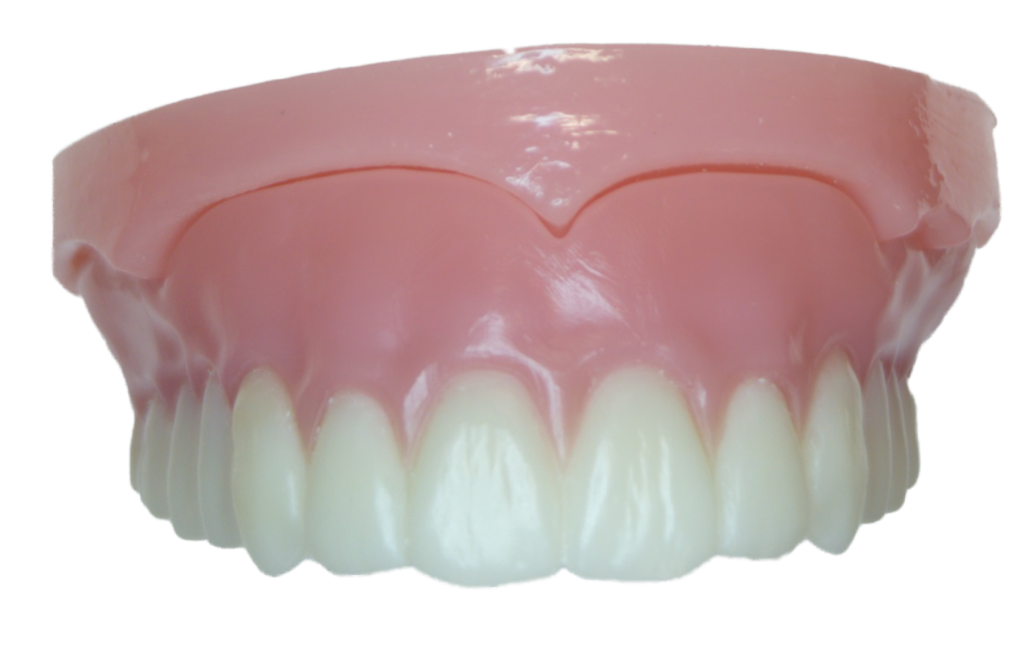
Full Upper & Lower Dentures
Complete Dentures
Complete dentures replace all of the teeth in the upper jaw, lower jaw, or both. They sit on the gums and are supported by suction, the shape of the jaw, and sometimes denture adhesive.
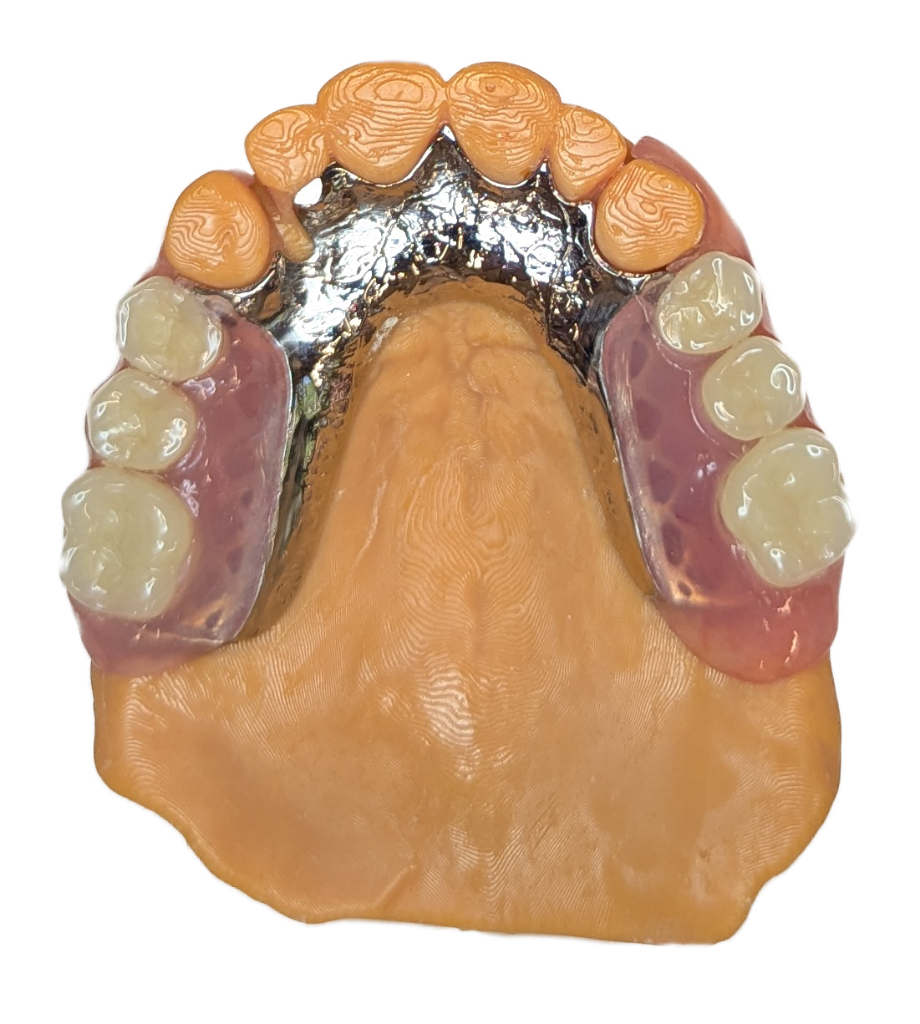
Partial Dentures
Removable Partial Dentures
Partial dentures replace one or more missing teeth while the remaining natural teeth stay in place. They are designed to attach to natural teeth using metal clasps or other types of attachments.
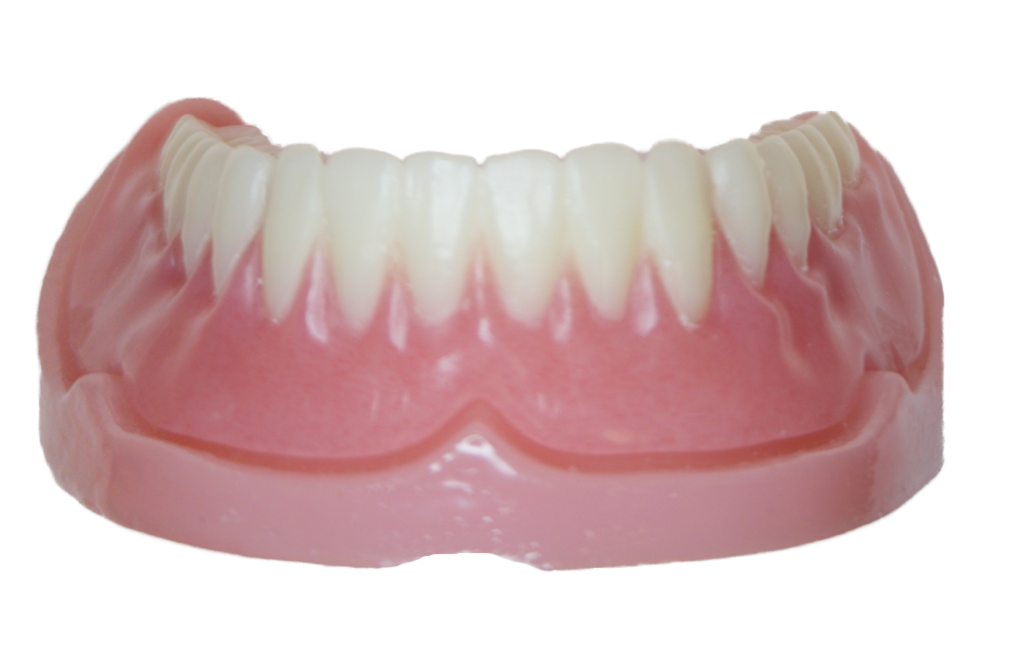
Immediate Dentures
Minimum Down Time
Immediate dentures are placed in your mouth on the same day your natural teeth are extracted. They are made in advance from impressions taken before the extractions, so you are never without teeth.
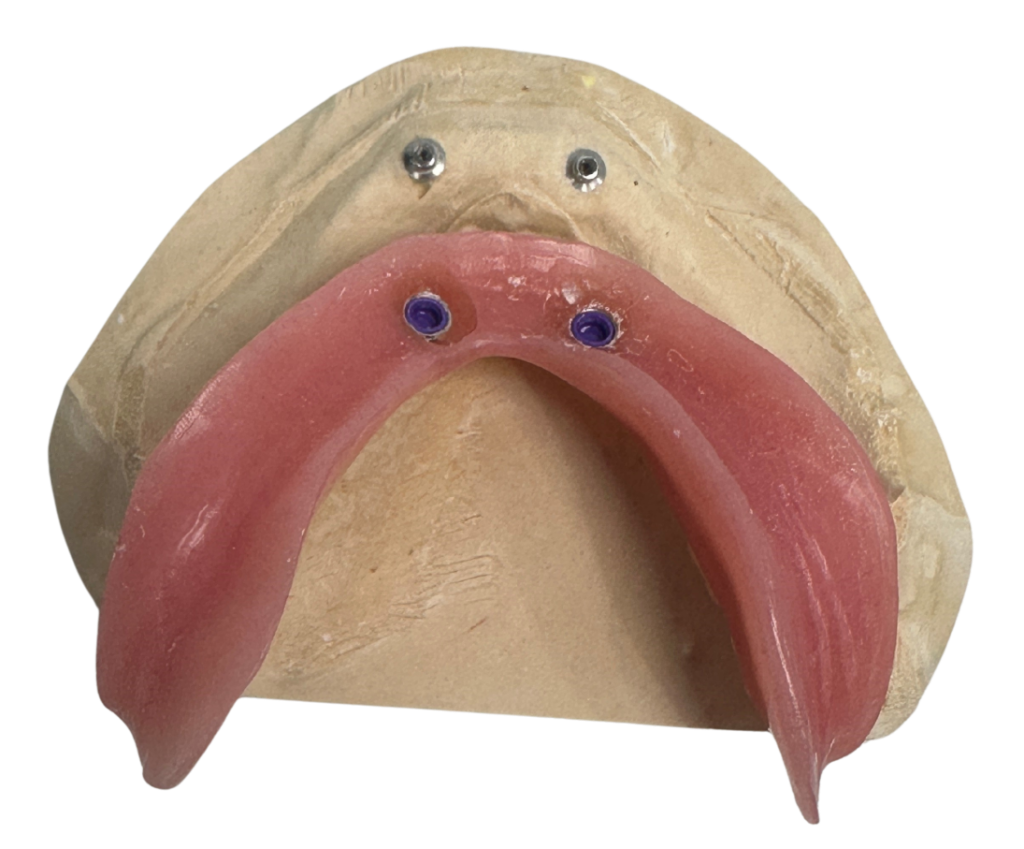
Implant-Retained Dentures
Implant-Supported Overdentures
Implant-retained dentures are supported by dental implants, which are small titanium posts placed into the jawbone by a dental practitioner. They are designed to provide additional support compared to conventional dentures.
Treatment involving dental implants requires careful planning and may involve multiple stages over time.
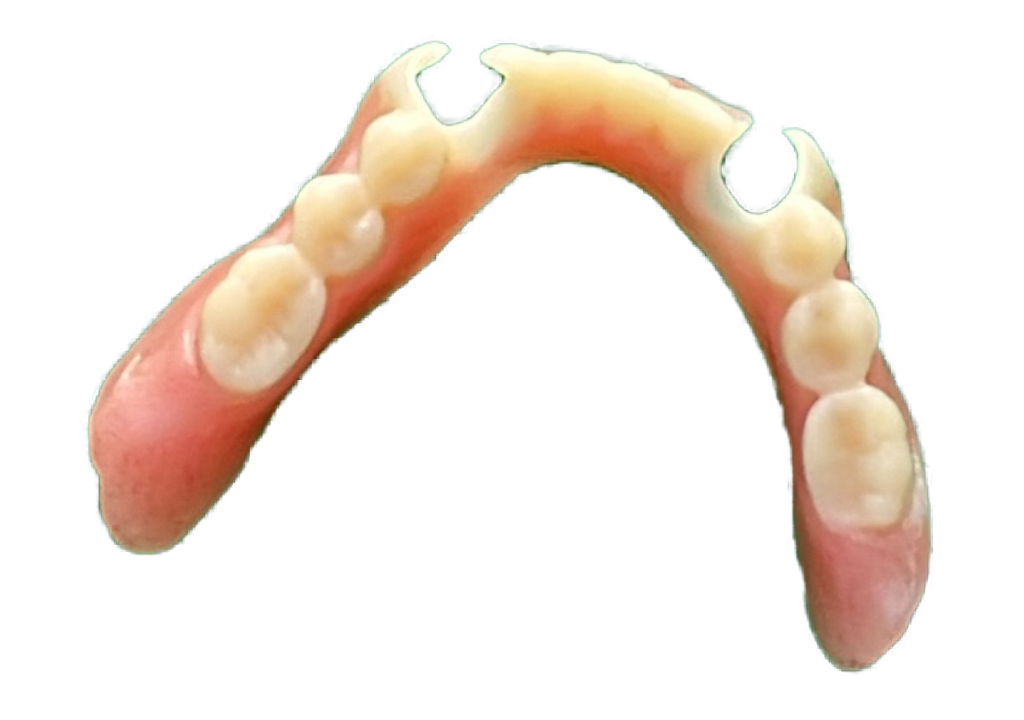
Flexible Dentures
Valplast / Thermoplastic Dentures
Flexible dentures are made from a thermoplastic material rather than rigid acrylic. They are most commonly used as partial dentures and are designed to provide an alternative to conventional materials.
Denture Identification
Why your name should be in your dentures
When a person moves into an aged care facility or nursing home, dentures can become an important personal item. They support eating, speaking, and day-to-day function. Dentures are also commonly reported as being misplaced or mixed up in residential care settings.
Having a person's name embedded directly into their dentures is a simple way to assist with identification. Unlike temporary labels or markings, which may wear over time, embedded identification is designed to remain readable for the life of the denture.
Preventing mix-ups
In shared care environments, dentures may be placed in the wrong container, room, or with another resident. This can be distressing for residents and challenging for staff. Identification may help reduce uncertainty and assist with correct allocation.
Returning lost dentures
Dentures are sometimes found in laundry, on meal trays, wrapped in tissues, or on the floor. Without identification, it may be difficult to return them to the correct person. Identification can assist with matching dentures to their owner.
Supporting people with dementia
People living with dementia may misplace dentures or have difficulty identifying them. Identification may assist staff and family members in locating and returning dentures.
After hospitalisation
When a person is transferred between care settings, dentures may become separated from personal belongings. Identification may assist with ensuring dentures are returned to the correct person.
A dental professional can advise on options for including identification in new or existing dentures.
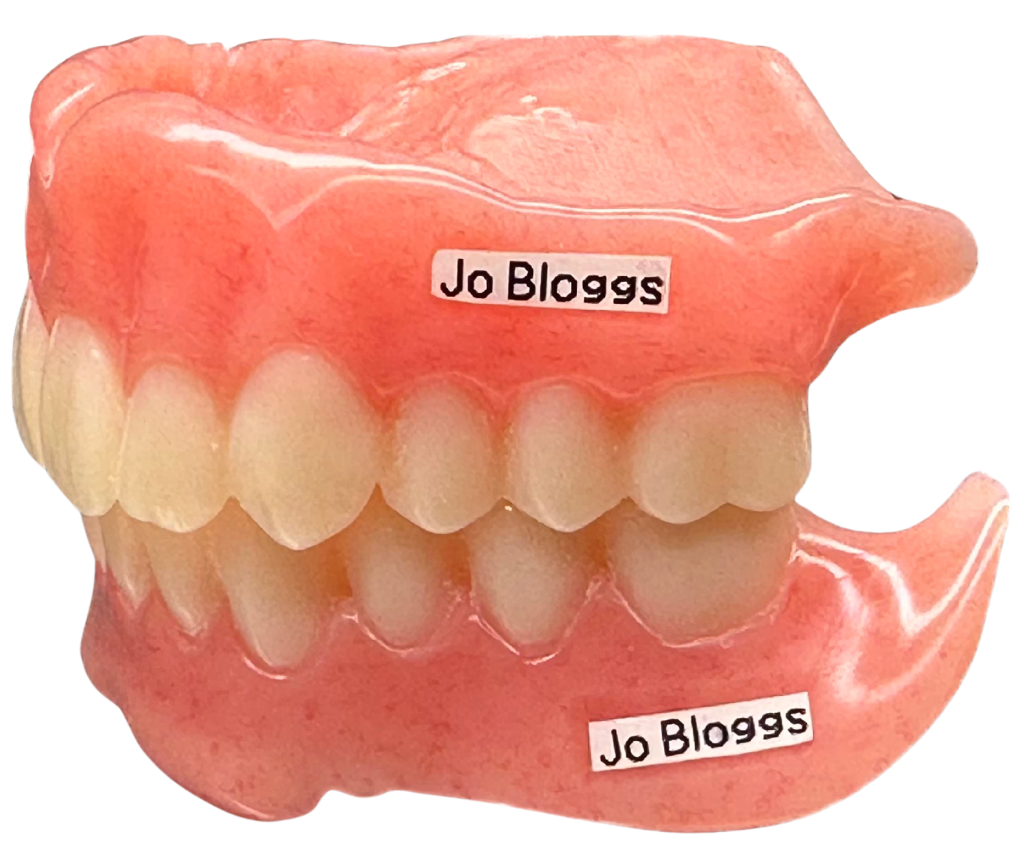
Patient name embedded into both upper and lower dentures
Not sure which type is right for you? Your prosthetist will assess your mouth, discuss your lifestyle and goals, and recommend the most suitable option. Every patient's situation is different.