

Types of Dentures
A clinical overview of removable prosthetic options for non-dental health professionals, including indications, retention mechanisms, and referral triggers.
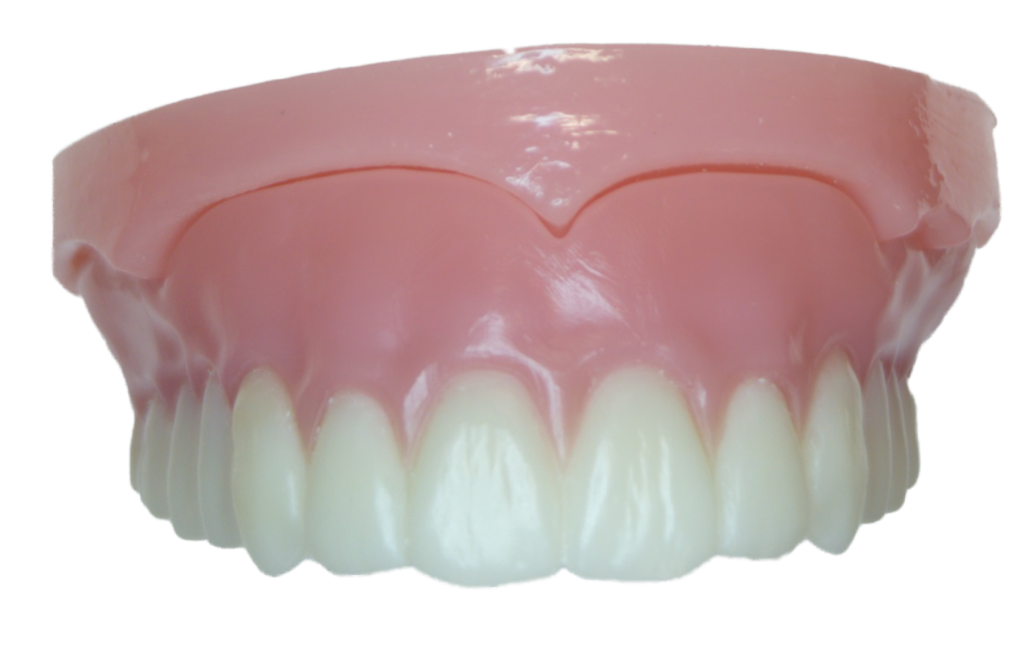
Complete Dentures
Full Upper & Lower
Complete dentures replace all natural teeth in one or both arches. They are retained by mucosal suction, residual ridge anatomy, and occasionally denture adhesive. Upper dentures are generally more stable than lower due to palatal coverage.
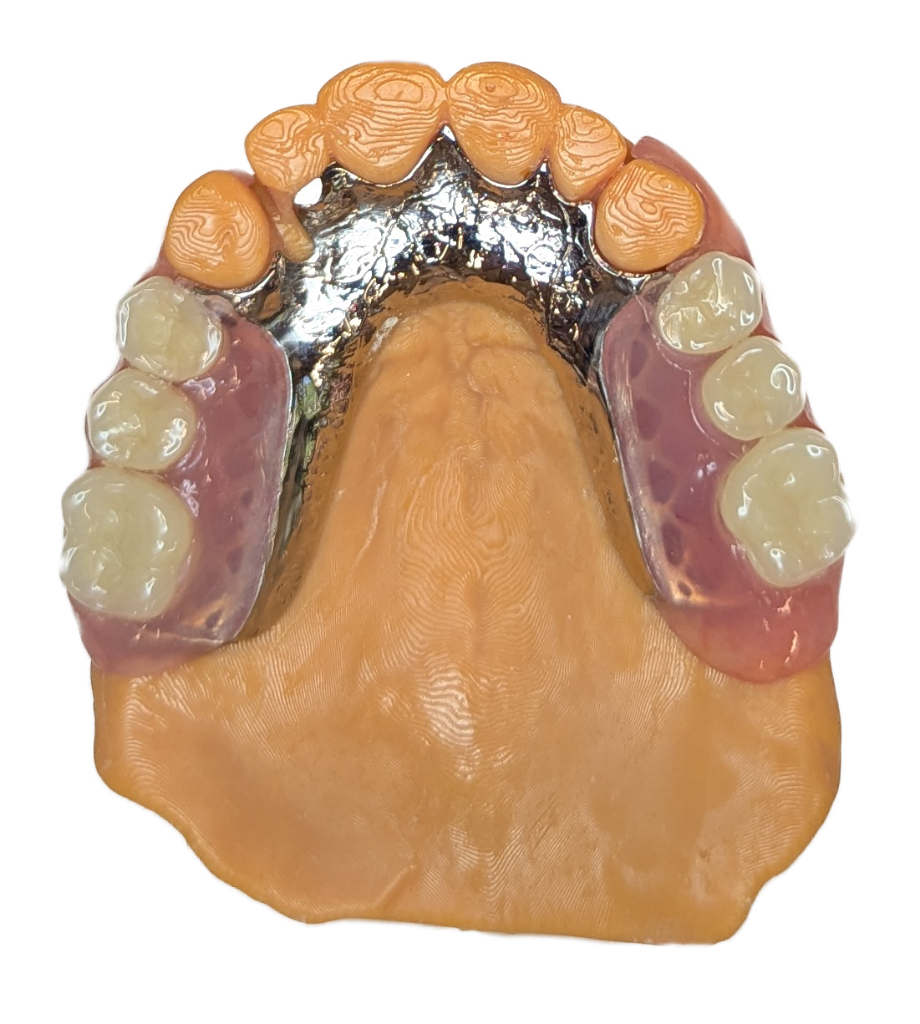
Partial Dentures
Removable Partial Prosthesis
Removable partial dentures (RPDs) restore one or more missing teeth in a partially dentate arch. They are retained by clasps engaging remaining natural teeth and supported by the residual ridge and tooth rests.
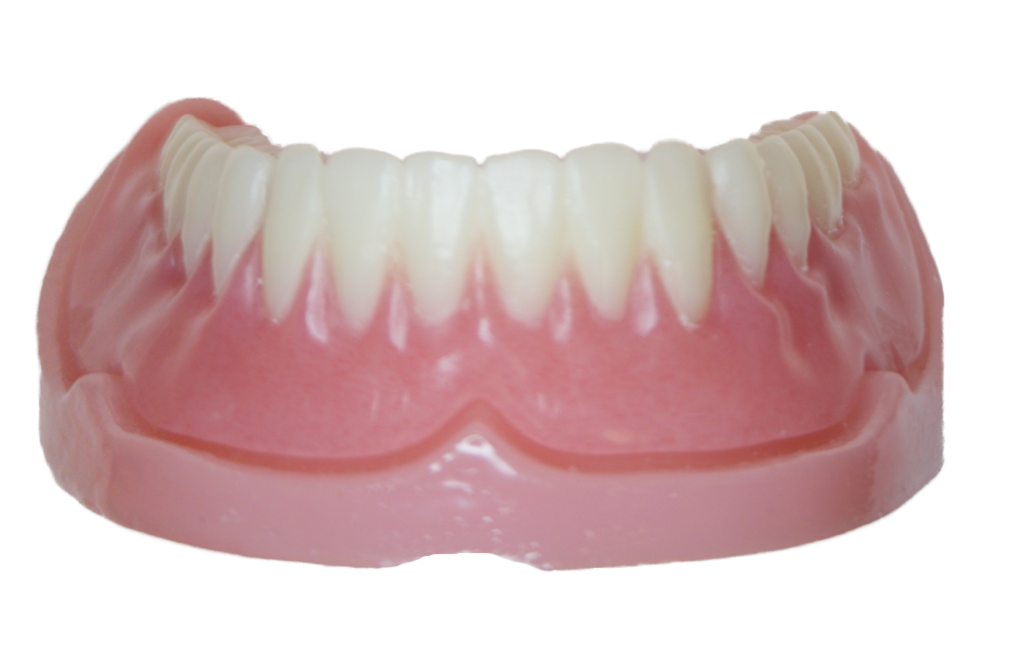
Immediate Dentures
Same-Day Insertion Post-Extraction
Immediate dentures are fabricated prior to tooth extraction and inserted at the time of extraction. They serve as a temporary prosthesis during the healing phase, which typically lasts 9–12 months.
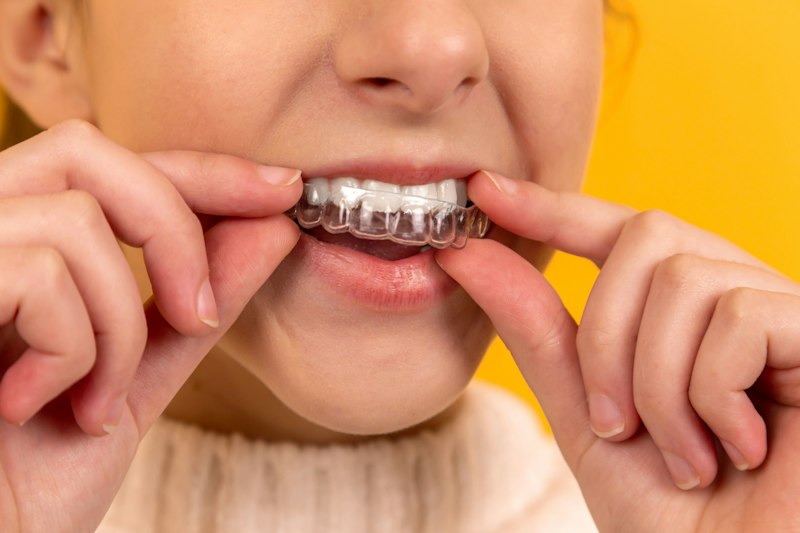
Implant-Retained Dentures
Implant-Supported Overdentures
Implant-retained dentures (overdentures) are anchored to osseointegrated implants placed in the jaw by a surgeon or dentist. They offer significantly improved stability and retention compared to conventional complete dentures.
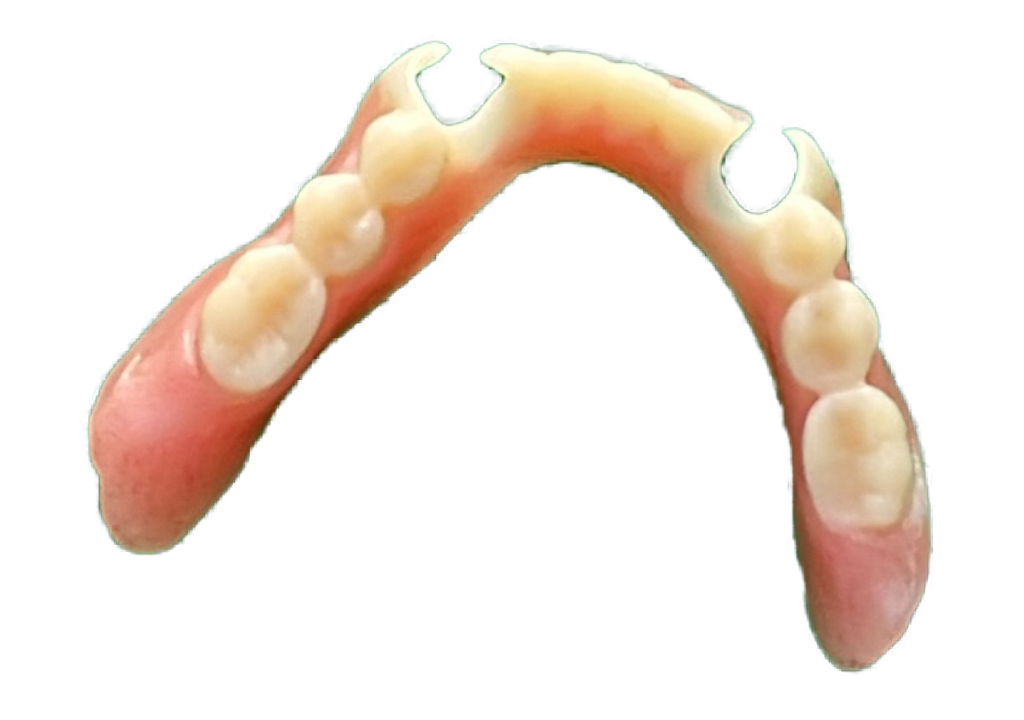
Flexible Dentures
Thermoplastic Partial Prosthesis
Flexible dentures are fabricated from a thermoplastic nylon resin (e.g., Valplast) rather than rigid acrylic. They are used primarily as partial dentures and offer a metal-free, tooth-coloured clasp design.
Denture Identification
A standard of care in residential and acute settings
Denture loss and mix-ups are among the most frequently reported patient property incidents in residential aged care and acute hospital settings. For residents with cognitive impairment or complex communication needs, the impact is significant, affecting nutrition, speech, dignity, and quality of life.
Embedding a patient's name directly into the acrylic base of their dentures is the most reliable method of identification. Unlike adhesive labels or surface markings, embedded identification is permanent and survives laundry, disinfection, and routine handling.
Preventing mix-ups in shared care environments
In residential facilities, dentures may be removed for cleaning, stored overnight, or inadvertently transferred between rooms. Identified dentures can be returned to the correct resident without delay or staff uncertainty.
Hospital transfers and acute admissions
When a resident is transferred to an acute facility, their personal items, including dentures, may become separated from their belongings. Identification ensures reunification even when the patient cannot communicate their details.
Dementia and cognitive impairment
Residents with dementia frequently misplace dentures and may be unable to report the loss or describe the item. Identified dentures dramatically reduce staff time spent locating prostheses and reduce unnecessary replacement costs.
Clinical recommendation
Denture identification should be considered a standard of care for all new prostheses made for residents entering aged care. Existing dentures can also be retrofitted with embedded identification by a prosthetist.
If a patient's dentures are not identified, a referral to a prosthetist can include a request for labelling. This is a straightforward and cost-effective procedure.
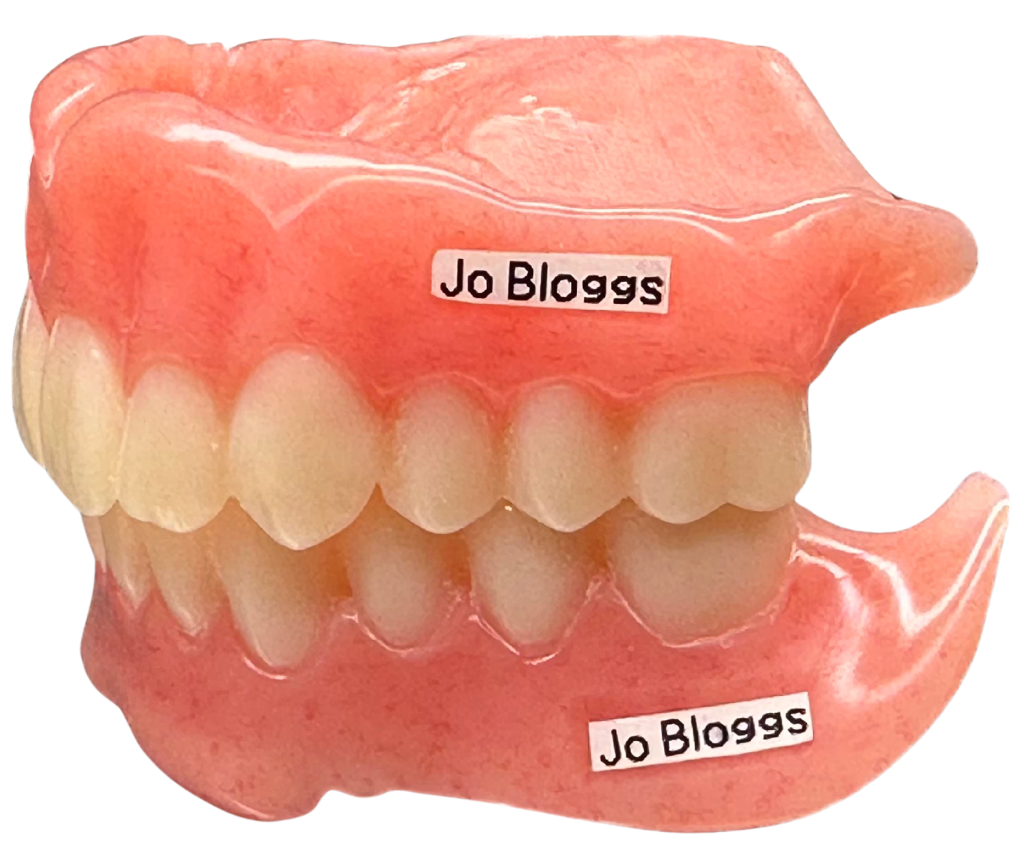
Patient name embedded into both upper and lower dentures
Unsure about a patient's denture type or fit? A referral to a prosthetist for assessment is appropriate whenever there is doubt about the suitability, condition, or fit of a patient's prosthesis.